Spine Continuing Education Physical Therapy Pennsylvania
Jeffrey S. Mannheimer
| Course: | Comprehensive Evaluation & Treatment of the Sub-Occipital, Craniofacial & Temporomandibular Complex. A progressive course series of 3 separate two-day modules within a 3-month period which allows for clinical practice of the evaluation and treatment techniques that are supported by videos between each module Does Your Patient Only Have a Temporomandibular Disorder (TMD)? OR Could the Pain and Dysfunction Also Be Due to or Comorbid with Any of the Following? Cervicogenic myofascial pain, cluster, migraine or tension-type headache, ear infection or toothache, C2 – C4 discal bulging, temporal arteritis, TMD, cranial nerve neuralgia or a combination of one or more? Without a comprehensive evaluation and individualized treatment program, which is the foundation of this course, chronicity is likely to develop. |
| Course Overview: | Physical therapy education relative to an understanding of the various types of headaches, orofacial pain and temporo-mandibular disorders (TMD), as well as their inherent patho-physiological mechanisms, are commonly not covered sufficiently within the entry-level or graduate physical therapy curriculum. This specialty course has been designed to fill the void, which exists beyond the evaluation of the cervical spine and provide knowledge as well as training in definitive evaluative and therapeutic skills unique to this specialty area. |
| Description: | One of the most overlooked causes of headache and orofacial pain are those of a cervicogenic and/or temporo-mandibular etiology. Many general practice physicians, neurologists and dentists commonly disregard the cervical spine as a causative craniofacial pain factor or are unaware of temporomandibular dysfunction focusing instead on a vascular, vestibular or neurological etiology. Physical therapists who receive referrals relative to the evaluation and treatment of patients with headaches, orofacial pain and temporomandibular dysfunction in children and adults, therefore need to understand that there are mechanisms other than vascular or neurologic that represent significant etiological factors and require a multi-disciplinary approach. This course is designed to provide the information and necessary evaluative skill to delineate the major types of headaches, orofacial pain, temporomandibular joint (TMJ) movement disorders and associated symptoms that originate from the craniofacial and temporomandibular regions from those of a cervicogenic and/or comorbid origin. An in-depth understanding of the anatomical and neurophysiological factors relative to the trigeminocervical, sub-occipital and temporomandibular complex, as well as the cranium in relation to headaches and orofacial pain will be presented. Sub-occipital, orofacial, temporomandibular and cranial pain/dysfunction syndromes will be analyzed with emphasis placed upon their delineation and subsequent development of comprehensive therapeutic paradigms. Workshop sessions will follow the lectures and focus upon case study analysis, proper sequencing and use of manual upper ¼ and craniofacial (intra & extraoral) soft tissue and joint mobilization techniques, therapeutic exercise, adjunctive modalities, dry needling as well as postural and ergonomic intervention for the reduction of pain and inflammation, restoration of function and prevention of recurrence. A constantly evolving 6-page evaluation form provides the foundation for the course. |
| Course Learning Objectives: | Objectives: Upon successful completion of this course, each participant should be able to delineate the major types of headaches, craniofacial and temporomandibular pain-dysfunction syndromes and initiate appropriate and logically sequenced comprehensive therapeutic management.All concepts and techniques will be supported by evidence-based, peer-reviewed publications . C ompletion of the course will allow the student to achieve the following goals and competencies, which will be determined/measured by participant interaction during case presentations. Goals:
Competencies
|
| Speaker: | Dr. Mannheimer received a BS degree in Biology from Bradley University, MA degree and Certificate in Physical Therapy from New York University and a Ph.D in Health Science from Seton Hall University. He is now in his 56th year of clinical practice, which over the past 37 has been limited to the evaluation and treatment of cervical spine disorders, temporo-mandibular disorders, cervicogenic headaches and orofacial pain (CSD, TMD, CGH & OFP) respectively. He is a certified Cervical and Temporo-mandibular Therapist (CCTT) by the Physical Therapy Board of Craniofacial & Cervical Therapeutics (PTBCCT) and certified in Orofacial Dry Needling (CODN) by Myopain seminars. He has many publications pertaining to the evaluation and management of pain by postural and ergonomic correction, manual techniques, therapeutic exercise and non-medicinal pain control in dental, medical and physical therapy texts and journals. He coordinated the chapter on "Cervicogenic Mechanisms of Headaches and Orofacial Pain" for the 4th edition of "Orofacial Pain: Guidelines for Assessment, Diagnosis & Management" of the American Academy of Orofacial Pain (AAOP). He is also the co-author of the first medical textbook on Transcutaneous Electrical Nerve Stimulation, "Clinical TENS" published by F.A. Davis in 1984. His most recent clinical contribution "Dry needling for management of pain in the upper quarter and craniofacial region" by Kietrys DM, Palombaro KM & Mannheimer JS, was published in Current Pain & Headache Reports. 18(8): 437- 446, 2014 and "International consensus of the most useful assessments by physical therapists to evaluate patients with temporomandibular disorders: A Delphi study". Journal of Oral Rehabilitation. 47(6): 685-702, 2020. In addition to private clinical practice, Dr. Mannheimer is currently an Adjunct Clinical Professor in the Department of Rehabilitation & Regenerative Medicine (Program in Physical Therapy) at Columbia University. He was previously a Clinical Assistant Professor in the Dental School of the University of Medicine and Dentistry of New Jersey (UMDNJ) and director of the physical therapy tract for their continuing education program in the Diagnosis and Management of Temporomandibular Disorders and Orofacial Pain for 13 years until the program was discontinued. Current professional memberships are held in the American Physical Therapy Association, American Academy of Orofacial Pain (AAOP) and the International Association for the Study of Pain (IASP). He has also served on the examination committee of the American Board of Orofacial Pain (ABOP), which certifies dentists in this specialty field, is a member of the AAOP education committee and previously served as an AAOP council member. Dr. Mannheimer is the founder and current president of the PTBCCT (ptbcct.org), which consists of an international group of physical therapists who desire to promote education and specialty certification in the field of CSD, CGH, TMD and OFP. Dr. Mannheimer is a frequent invited speaker at national and international seminars and scientific meetings as well as a manuscript reviewer for Quintessence and Pain Medicine and previously for the Journal of Craniomandibular and Sleep Practice. |
| Overview of each Two-Day Module: | Module I Cervicogenic Causes of Headaches and Orofacial Pain of Non-TMD Origin The Sub-Occipital Connection – Comprehensive Evaluation & Treatment of the Cervical-Shoulder Girdle & Cranium Module II Comprehensive Evaluation of the Temporomandibular Complex Comprehensive Treatment of the Non-Surgical TMD Patient Module III Advanced Delineation of Disc Displacements, Subluxation/Luxation Comprehensive Evaluation & Treatment of the Pre & Post-Surgical TMD Patient Class performance of a complete comprehensive evaluation of an actual patient with cervicogenic and TMD symptomatology that was previously treated by Dr. Mannheimer utilizing the 6-page course evaluation template. The course is structured as a Mini-Residency consisting of 3 progressive weekend modules over a consecutive 3-month period that allows for practice and review of the evaluation and manual therapeutic techniques prior to the start of the next module.Manual technique videos are sent after each module for review & practice. Each module is geared to a specific area that can create local and/or referred pain with or without dysfunction and are all crucial components of the trigemino-cervical complex. Each mini-residency is limited to no more than 6 PT's/course due to space, the necessity of closely observing everyone performing the evaluative and manual techniques as well as to have sufficient time for me to perform them on everyone. This requirement is also necessary to maintain the intensive nature of teaching and demonstrating numerous manual soft tissue , joint mobilization techniques in association with therapeutic exercise paradigms specific to the shoulder girdle, cervical, sub-occipital, cranial and orofacial regions (intra & extra-oral). As the course proceeds everyone will learn how to integrate combinations of the above techniques into specific therapeutic paradigms with adjunctive modalities as needed . The evaluation section (cervical -orofacial-temporomandibular-headache ) of the course follows my specific 6-page template which is needed to obtain all of the required subjective and objective data to develop the proper ICD-10 diagnostic and CPT treatment codes (your diagnostic impression and therapeutic treatment paradigm) . Case study presentations with class interaction are presented specific to the topics of each module. The complete hour by hour agenda for day one and day two of each module are available by clicking the following PDF links. Module I – Day One / Module I – Day Two |
| Course Logistics: | 2022 Course Schedule Course XVII Registration can be made in advance to ensure your spot in the course. REMEMBER: IMMEDIATE RETURN E-MAIL AND CONFIRMATION DEPOSIT IS CRITICAL TO ENSURE YOUR REGISTRATION. E-MAIL COMMITMENT AND DEPOSIT IS ONLY ON A FIRST RECEIVED FIRST GUARANTEED BASIS. Each module of every course must be taken in succession & switching modules between courses is not permitted. The nature of this series allows for 23 hands-on workshop sessions & lectures, maximized by limiting the course to 6 PT's who each receive 40 CEU's. Course Certificate: Cannot be granted unless all 3 modules are completed in succession. Lodging: Residence Inn by Marriott Princeton at Carnegie Center: 3563 US Route 1, Princeton, NJ 08540: Call 609-799-0550 and ask to speak with Debbie or Dawn and state that you are taking Dr. Mannheimer's course which will qualify you for the discounted rate of $129.00. The hotel is adjacent to the Princeton Market Fair Mall which has a movie theater, Barnes & Noble bookstore, Starbucks, many interesting stores and a choice of restaurants within and outside the mall. Tuition: Tuition for the 2022 courses is $1800.00 ($600.00/module) and can be paid in three installments as the course series progresses. Tuition includes all course material, lecture slides, evaluation and home exercise instruction forms, adjunctive postural corrective and pain reduction options as well as illustrations of all manual techniques printed in a separate booklet/module. Separate videos of all manual cervical/shoulder girdle, craniofacial and masticatory extra and intra-oral myofascial, joint mobilization and tractional techniques/module are included along with continental breakfast and refreshments. To ensure your registration, a $300.00 deposit is due ASAP prior to the start of each course that counts as 50% of the tuition for module I. Payment can be made by personal, business, or bank check as well as money orders. PAYABLE TO: Jeffrey S. Mannheimer, PT, PHD, PC Mail to: Jeffrey S. Mannheimer, PT, PHD, PC |
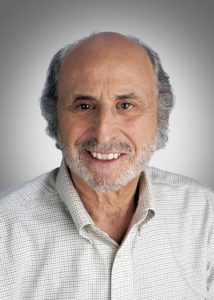 JEFFREY S. MANNHEIMER, PT, Ph.D, CODN , CCTT
 hutchersoniltocalt.blogspot.com
Source: https://ptbcct.org/tmd-and-cervical-courses/
0 Response to "Spine Continuing Education Physical Therapy Pennsylvania"
Post a Comment